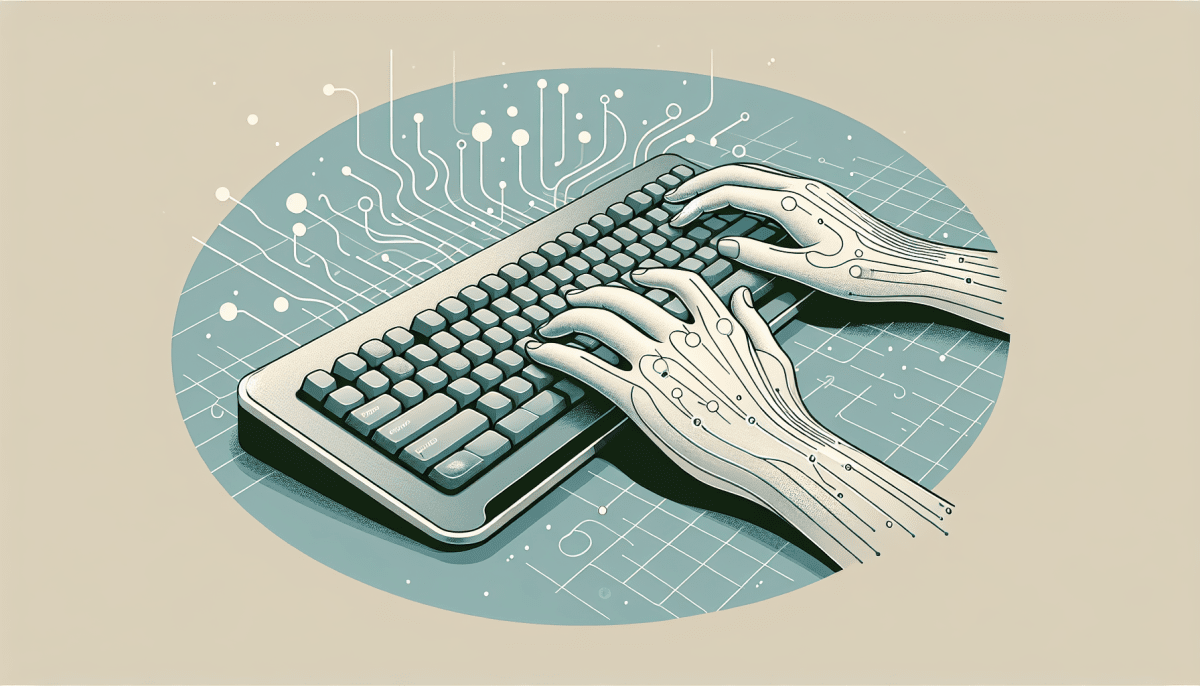
Have you ever noticed how typing can sometimes leave your hands and wrists feeling sore? That’s where ergonomic keyboards shine! These keyboards are designed to help you type comfortably and prevent strain. They promote a natural wrist position, so you can wave goodbye to those pesky aches.
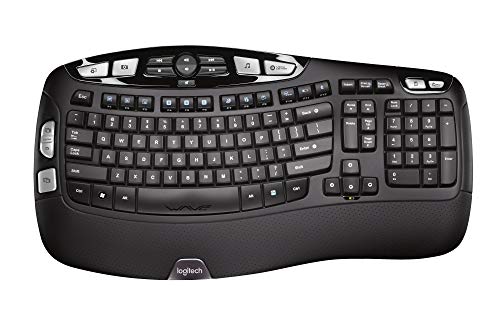
One of the best features of ergonomic keyboards is their shape. Many have a split design, which lets your hands rest more naturally. This means your fingers can easily reach the keys without overextending. There are also options with cushioned wrist rests, giving you that extra bit of comfort. Plus, they come in various sizes, so you’ll find one that fits your workspace perfectly.
Typing speed and accuracy can actually improve with an ergonomic keyboard too. When you're comfortable, your focus shifts more to your work than to adjusting your posture. You’ll notice less fatigue during those long hours of typing, so you can tackle your tasks without distractions.
Lastly, many ergonomic keyboards come with customizable keys and shortcuts, which can speed up your workflow. Being able to set up your keyboard the way you like to work is a game changer. This means you can create an efficient setup that feels just right, making your typing experience not just comfortable but also enjoyable.
Choosing the Right Type for You
Finding the right ergonomic keyboard can make a world of difference. With so many options out there, it’s easy to feel overwhelmed. But don’t worry! Let’s break it down together.
First off, think about your typing style. Do you type a lot or just occasionally? If you’re a heavy typist, look for a keyboard with a comfortable wrist rest. This will help reduce strain during those long sessions. Some keyboards also offer a split design to better align with your natural hand position. This can really help with comfort!
Next up, let’s chat about key switches. There are different kinds for different feels. Some folks like a soft touch, while others prefer a clicky sound. If you’re not sure which you’d like, find a store where you can try them out. It’s all about what feels good to you.
Also, consider the size. You might want a full-sized keyboard with a number pad if you do a lot of data entry. But if space is tight, a compact model might be the way to go. Just make sure it has enough room for your hands to feel free while you type.
Lastly, check out features like backlighting or programmable keys. These can really boost your efficiency, especially if you work in dim lighting or want shortcuts for your favorite tasks. Take your time and pick what suits your needs best. Happy typing!
Tips for a Comfortable Typing Experience
Getting comfortable while typing goes beyond just having the right keyboard. A few simple adjustments can make a huge difference in how you feel during those long hours at your desk.
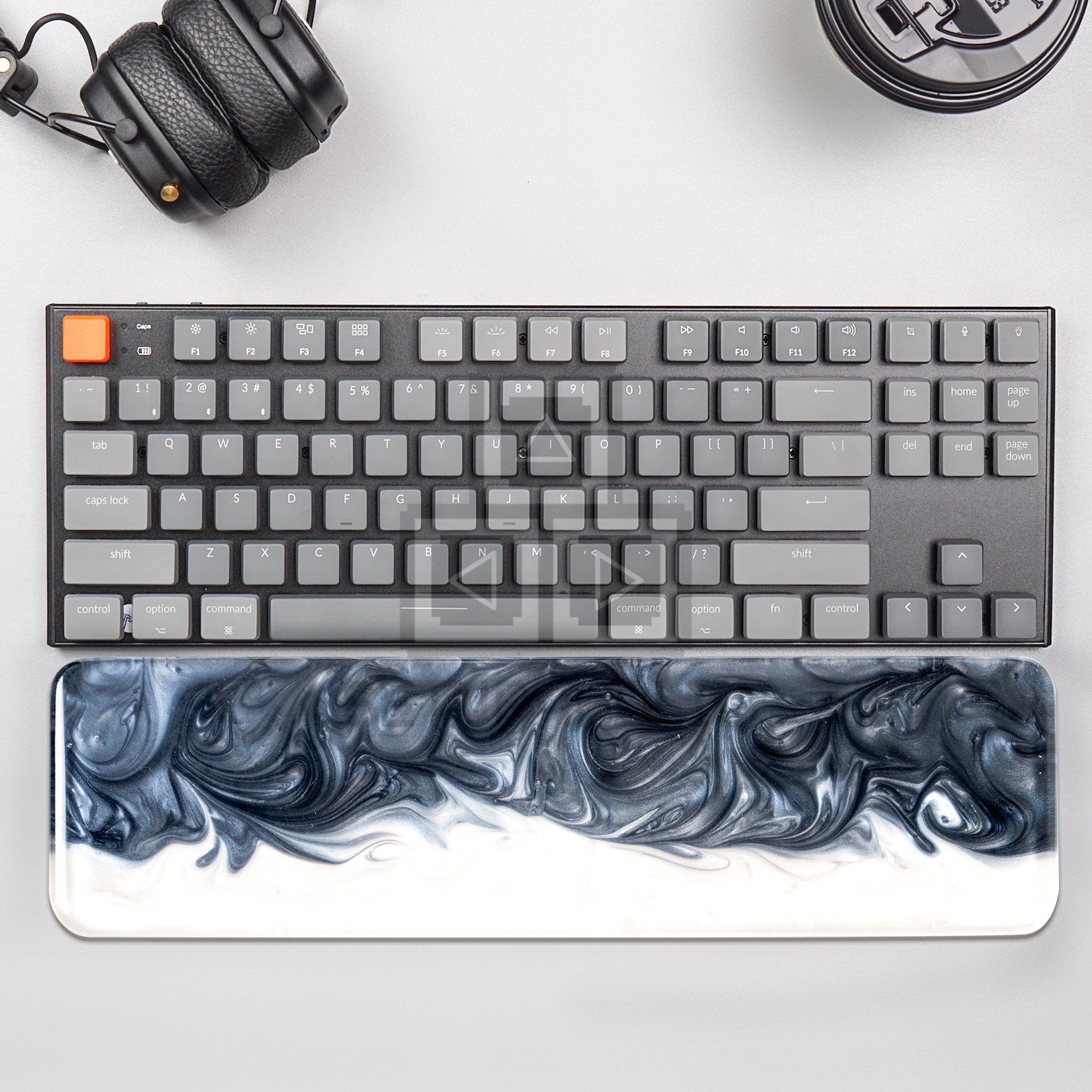
First off, pay attention to your wrist position. Your wrists should float above the keyboard, not resting on it. Try using a wrist pad for extra support. This can help prevent strain and keep you feeling great while you type away.
Next, consider your chair height. Your feet should be flat on the ground, and your knees should be at or slightly below hip level. If your chair doesn’t adjust, a footrest can help lift your feet for that perfect position.
Take breaks regularly! It might sound a bit boring, but stepping away from your desk every now and then lets your muscles relax and recharge. A quick stretch or walk around can work wonders for your comfort and focus.
Finally, don’t forget about lighting. Ensure your workspace is well-lit to avoid eye strain. If you can, position your monitor so it’s at eye level. This keeps your neck in a natural position, which is key for staying comfortable while you type.
How to Maintain Your Keyboard
Keeping your ergonomic keyboard in tip-top shape isn’t just about looks; it can actually improve your typing experience. Here’s how to maintain it so it continues to feel great under your fingers.
First off, regularly clean your keyboard. Dust, crumbs, and those random hair strands can sneak in between the keys. Grab a soft, lint-free cloth and a can of compressed air. Start by turning the keyboard upside down and shaking it gently to dislodge any loose debris. Then, use the compressed air to blow out anything stuck in there. Wipe the keys down with the cloth afterward to keep them shiny.
Next, pay attention to the keycaps themselves. If they’re removable, take them off for deeper cleaning. A gentle soak in warm soapy water for a bit can work wonders. Just make sure they’re completely dry before popping them back on. This helps prevent any sticky situations—literally!
Also, keep an eye on how you use it. Try not to eat or drink near your keyboard. It’s easier than you think to knock over a cup or drop a few crumbs. And if you notice any keys sticking or feeling different, address it quickly. Don’t wait for it to turn into a bigger problem.
Lastly, store your keyboard safely when it’s not in use. If you’re using a laptop, get a keyboard cover to shield it from dust. If it's a standalone keyboard, consider getting a protective sleeve or simply keep it in a safe spot. Taking these small steps can help your keyboard last longer and keep your typing smooth as butter!